
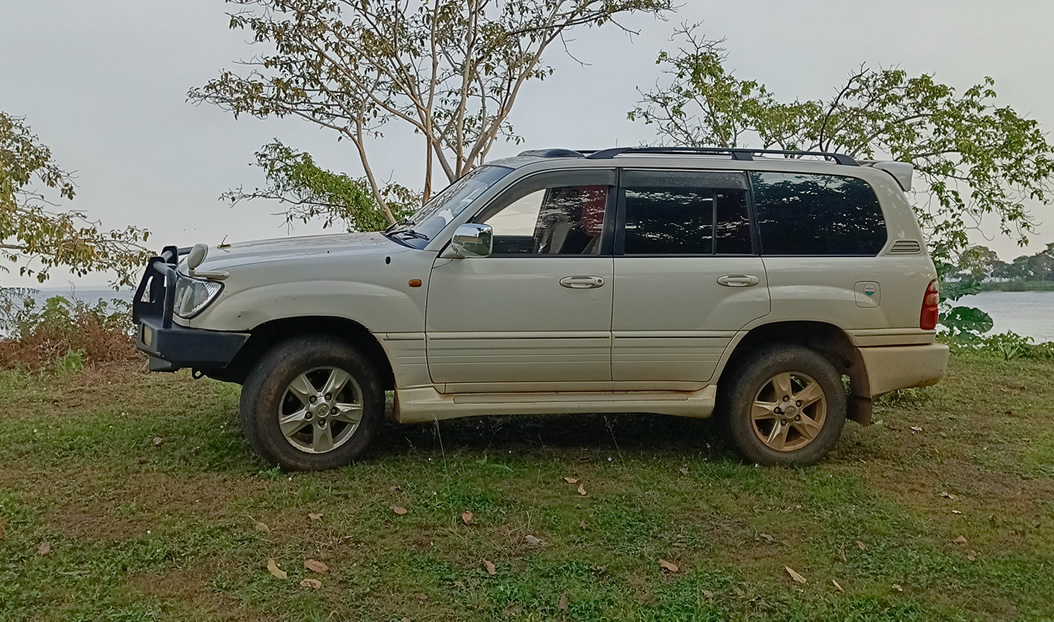
Top Tips For a Stress Free Car Hire Collection
After securing your dream rental car in Uganda or any location, picking it should get you stressed. First, you could have traveled long distances and on arrival day, you simply need to clear with aviation authorities and transfer to your hotel or lodge for a peaceful night stay. This is achievable but when you have put into consideration some tips.
Here are the top tips for a stress-free car hire collection
Documentation
Before you even think of exiting your home to board a plane to Entebbe Airport (EBB), ensure that you have the right documentation. Only essential documents must be packed including a valid passport, driving license, credit card, and others. The validity of the document should be at least 2 to 4 weeks before the end of your trip or renewal is required to be done. Other paperwork may also be required depending on the car hire service provider for instance a valid international driver’s permit or proof of address.
Pre-paid rental voucher
Come along with your pre-paid car rental voucher. You can have it printed and hand it to the team on the day of collecting your car. The voucher is where your details can be located proving that you pre-booked the car. It helps the reservation team to track your booking and provide you with the type of car you booked. Depending on the company, not presenting the voucher may delay the process or even have the booking cancelled.
Location of car pick up
In the process of booking, you need to know where you can pick up your vehicle from; this is especially true for visitors planning to be in Uganda on a self-drive tour. When booking the vehicle with the company, you agree on where you can pick it up and also drop it off. The agreement must be respected and failure to adhere to it may mean you won’t find a car. Communicate to your car hire service provider in case you were caught up by flight delays or encountered flight cancellation.
Type of car to hire
There are several car hire options but you go with the one that suits your travel desires on the Uganda safari and also put into consideration the group size. The specifications of the car category you need shall be captured on the day of booking and it is exactly what you find on the day of collection. Is it a 4X4 Land Cruiser, Super Custom, Drone, Toyota Rav4, Coaster, or Tented rental cars that you need? Get in touch with our team to have your dream ride secured in advance.
Familiarize yourself with the car
You need to be certain of how the car functions and how you will operate it smoothly on Ugandan roads. This is why you must familiarize yourself first with the vehicle you need to visit your destinations in Uganda. Inquire from the company team how some things operate like indicators, air conditioning, etc.
Do not forget to do thorough research
The advantage of conducting research is that you can learn a lot. Not only can it allow you to find the best rental car deal but also you get a chance to learn about the local road regulations and signs. This is of great advantage to visitors with plans to go self-drive in Uganda or Rwanda.
Take record of all damages to avoid unplanned costs
Do not rush to fix the key immediately after it is handed over to you. Take your time to search if the car has some damages, scratches, and anything else that may cost you. Once you have a record of all the damages, present them to the company’s desk such that they are aware of them. This can save you some pennies on expenses that you never planned for.
Read More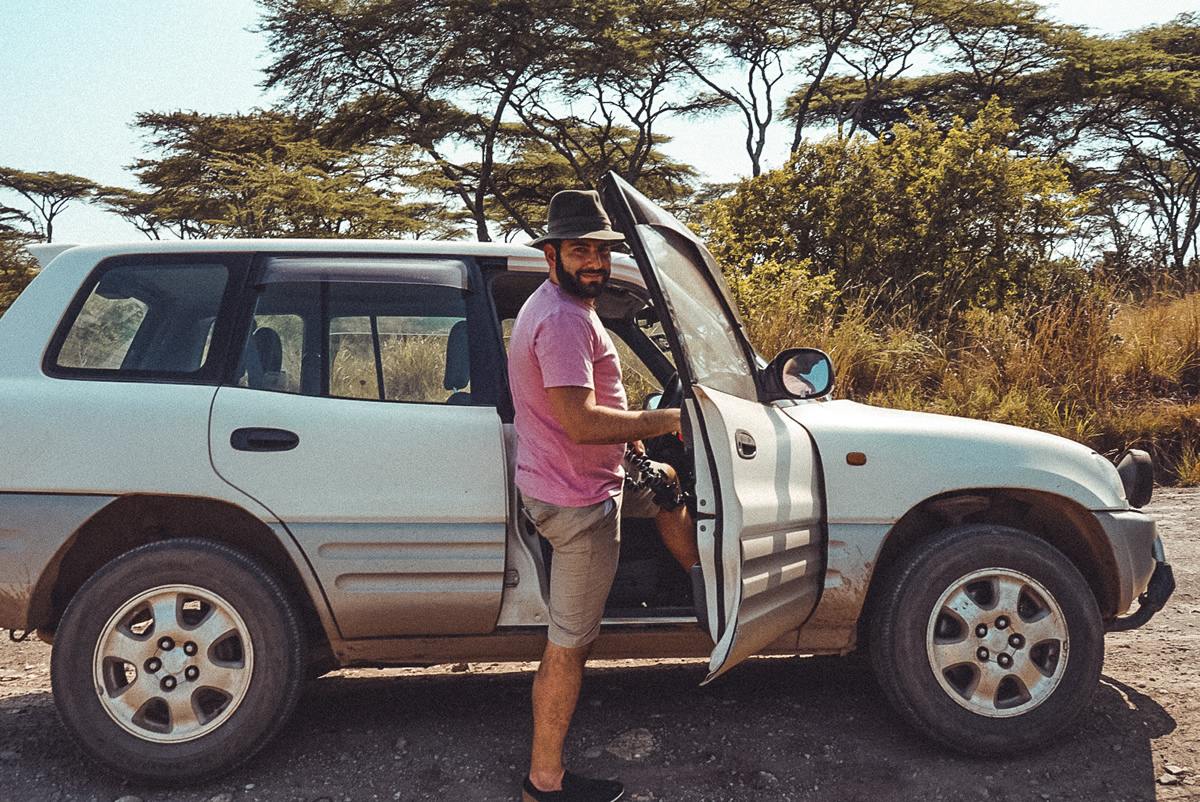
What should I pack for a road trip to Uganda?
Uganda was named the ‘’pearl of Africa’’ by Sir Winston Churchill due to the too much beautiful attractions this country has to offer, including its beautiful nature, beautiful and welcoming people, amazing culture, and varied wildlife. These are the major things that lure mammoth of tourists in the country.
You’re planning to hit the road and need a complete road trip packing list with all the travel-tested road trip essentials for a successful road trip to Uganda? Well, you’re in the right place! We all know the main reason most people love a road trip; flexibility and being in control of the journey. But, the next biggest reason is getting to pack whatever and however much we want.
After planning for your self drive safari, booked accommodation, booked your renal car that will take you around, airticte booked, then you will have to think of what to park so as to have a memorable tour in the pearl of Africa. This road trip packing list comprises all the key items that make your road trip amazing. There are obvious things you don’t need someone else to tell you to like how many socks or t-shirts to pack for your upcoming road trip, or a passport if visiting a foreign country. Meanwhile, here are some of the basic things you must add to your packing list for a road trip in Uganda:
- A valid passport (first and foremost you should know that you require a valid passport to move to any foreign country, so the passport should be the first to be included on your packing list to Uganda – the passport should be valid for at least six months)
- A valid driving license (if you’re going on a self-drive road trip, you will definitely be required to present a valid driving license to your car rental company before taking the car) Your home driving license can drive in Uganda for three months but if you are planning to spend morethan 3 months in the country, you either get an internal or a Ugandan driving license.
- A map or GPS
- A first aid box or emergency tablets
- Car phone charger and a USB
- A power bank
- Tissues
- Umbrella
- Insect repellents
- Comfortable hiking shoes
- heavy and light clothes, for the unpredictable weather
- face masks and hand sanitizers (because of the new world of covid-19)
- sunglasses
- hand lotion
- yellow fever vaccination
- enough money (cash)
- enough drinking water and snacks
- a good HD Camera and binoculars
- toothbrush and toothpaste
- raincoat and scarf
- hat
- a diary or notebook
- earphones
Why You Need to Drive Slowly on Uganda Roads
Individuals often seem to give in to impatience or absent-minded speediness when behind the wheel of an automobile. If you’ve decided to drive more slowly, whether for road conditions, enforcement, safety in general, or for better fuel economy, here is how to go about it in Uganda. With the growing trend on renting 4×4 cars in Uganda for road tripping, it is very important to be in the know of how you can travel around Uganda easily.
Allow ample time to get where you are going. Forget preparation time. If punctuality is critical, aim to arrive ten to fifteen minutes early, or more. This extra time will allow for unforeseen circumstances, and if you do arrive early, it will give you time to collect yourself and your belongings before proceeding.
Assess conditions that might make faster driving hazardous. Driving slowly makes it easier to stop if roads are slippery, and gives you more response time if visibility is reduced. Think about the many times a person involved in an accident mentions that they were “doing the speed limit” as if that should have prevented it. The reality is that the speed limit is a guide for normal conditions and does not account for less safe driving conditions.
Practice accelerating and decelerating gently and gradually. Press the pedal lightly and your moves will be gradual. This will save on fuel, improve traction in slippery conditions, and help you maintain a slower overall speed.
Except in poor driving conditions, do not accelerate very slowly – keep up with traffic overall, at least the slower or more carefully driven vehicles like trucks and minivans. Accelerating too slowly leaves you in potentially dangerous areas such as intersections for periods unexpectedly long to others, can cause dangerous speed mismatches in merges, and can otherwise interfere with traffic patterns.
Braking gently saves wear on the brakes and it is less likely to cause you to skid. To brake gently, leave additional space between you and the car in front of you, and anticipate upcoming braking, such as corners, stoplights, and slow traffic ahead. Driving slowly helps maintain that space and gives you more time to react.
Be patient. It’s neither a race nor a time for zoning out. The objective is to get where you are going safely, staying alert and in control.
If you feel as though driving is a waste of time and you find yourself speeding just because you want to get the drive over with, see if you can reduce your commute -try driving earlier or later than usual when traffic lessens, or take public transportation.
Drive the speed of traffic, provided it is safe for conditions. As noted earlier, the speed limits themselves do not indicate the perfect speed for poor conditions and you’ll need to use your common sense for that. However, if the traffic speed is reasonable and is setting a comfortable pace, this can be a soothing and safe speed for driving and can help remove your desire to drive too fast. If your speed tends to inch up when you’re not paying attention, follow behind someone who is going a suitable, even speed. Keep a generous, constant distance.
Give others the space to pass. If the road you’re travelling has more than one lane in each direction, be courteous and use the lane going closest to your speed. If a narrower road has turnouts, use them to let anyone travelling faster behind you pass. You’ll know because they’ll be almost tailgating you!
If a narrow road does not have turnouts, find somewhere safe to stop, perhaps every fifteen to thirty minutes, to allow other cars to pass if you’re driving very slowly or many vehicles are accumulating behind you.
Use lower gears and let the engine slow the car when descending longer hills. This is easier on your brakes and it gives you more control.
Time traffic lights correctly.
A series of traffic lights, such as on a city street, is generally timed so that a batch of cars can travel through at about the speed limit. The best way to drive through these, where your abilities and traffic allow, is to accelerate promptly from any stop to the speed limit and to continue at that speed–no faster.
Please note that Uganda has got rules and regulations to follow on the road. There is no offense if you drive slowly but you will fall victim if you over speed on the Ugandan roads. Please be careful!
Read MoreTips For Traveling In Uganda By Car
Is Uganda your dream destination? Are you planning to use a car while on safari in Uganda? Do you some of the things to follow while traveling by car in Uganda? There are several ways in which visitors travel in Uganda. Most tourists prefer traveling by safari cars whether on self drive or guided tours up to the national parks or other interesting areas. While on the way to areas of interest, there are many incidences that come and need to be avoided. To be on safer part, below are some of the tips that you need to take note of while traveling in Uganda by car.
Prior driving a car in Uganda, it is advisable that you do some safety check. Life is very precious and we do not wish you to come and at the end return with injuries, which is why you need to cross check if the car you are to use will take you safely to and from the destination of your choice.
Turn on the lights and walk around the car to make that all the lights are perfectly working and that they are in better condition. Some of the national parks in Uganda are far from Kampala city centre and there are chances that you can reach late especially if you set late from the city centre for instance Kidepo Valley National Park, Bwindi and Mgahinga Gorilla National Park. While driving, make sure that the headlights are on because a vehicle is seen for about four times the distance with its headlights on even during daytime hours.
Check if the blinkers are really in better conditions.
Make sure that there are no cases of fluid leaks or things hanging from the car to be used while on safari in Uganda.
Cross check if the tyres are in a better condition and if they are inflated. It hurts getting to the road and after some distance the tyres start disturbing. In most cases, a spare tyre is worthy having while traveling in Uganda and for longer distances and many days, at least have two spare tyres.
Once you get into vehicle, make sure that all the mirrors and seats have been adjusted prior fixing the key in the ignition. To adjust the left mirror well, make sure that your head is against the left window and adjust the mirror such that you can view the left part of the vehicle. The right mirror, can be adjusted by moving your head towards the centre of the car and adjust the right mirror in the same way. When you are sitting well in the driver’s seat, you won’t be in position to view the car well but your blind spots will be highly minimized.
You are encouraged to always put on your seat belts. This can save you in one way or another. Take note that if you do not have seat belts, it is a traffic offence.
If you are parking at the stop sign, make sure that you feel the car rock backward and spell STOP to yourself prior continuing.
Make sure that you turn your to see the left and then right, straight ahead and then left once again prior continuing.
While you are at traffic lights in Uganda, once a light changes green, look left, then right straight ahead then left again prior continuing through the light. Make sure that all cars and that there is no one else who is going to run the light.
Maintain the eye movement and see what is happening on the sides of the road and check behind you through your mirrors each 6 to 8 seconds.
If you are driving on a two road which permits parking on the right, remain at the centre line to give space in case someone else is to open their door to exit their cars in front of yours. In case there is no parking space on the road side, position the vehicle towards the right to give more space between you and on coming traffic.
While traveling in Uganda, you need to expect that other drivers are bound to make mistakes and think what you would do in case it happens. Be prepared to react in case it doesn’t stop. Do not cause accidents on purpose even if a pedestrian or another car fails to give you way.
A rear facing baby seat must not be fitted into a seat protected by an active frontal airbag as in a crash it can result into severe injuries or even death to the child.
Avoid driving when you are tired as this brings higher risks of collision. Make sure that you are fit to drive or else give the colleague to also take over. A minimum break of about a quarter hour after each 2 hours’ drive is allowed in case you become sleepy stop in a safer area and give yourself a rest.
Take note of your vision. You should be in position to read a car number plate in daylight at a distance of about 20 meters. In case you need to put on glasses to help you on this, make sure that you put on them at al times while traveling in Uganda.
In conclusion, with the above tips, we believe that your self drive safari in Uganda will be successful. For self drive safaris or guided tours in Uganda, simply contact our trusted Car Hire Company and we shall be of great help to you.
Read MoreRules & Regulations For Self Drive Tours in Uganda
While a self drive tour is the most sought after experience by many travelers today, interested travelers ought to understand Uganda rules and regulations. Provided that you have a valid driving license from your respective country of residence, you can be allowed to take a self drive Uganda safari for a period of 90 days and provided that driving license is in English. As soon as that period elapses, then you can acquire Uganda driving license. In case the driver license if not translated in English, then you are required to get a confirmed notarized translation of license. The other option can be acquiring an international driving permit prior coming to Uganda.
The following are some of the rules and regulations that you can observe while on your self drive in Uganda:
You are not allowed to drive a car if you do not have a valid driver license.
In case you have been stopped by traffic policeman at least have some money with you just in case of charges.
Don’t overtake another anyhow.
You should be 18 years and above if you are to drive in Uganda
Drivers and all persons on board should put on their seat belts tight
For motorcyclists, they are supposed to put on their safety helmets
If you are drank or you are under the influence of drugs, you are not allowed to drive. The allowed blood alcohol level is 0.08%.
Driving speed on highway is 80 kilometers per hour and 50 kilometers while approaching the trading centers.
Don’t pass on the right when you are supposed to pass left and this happens with people joining the highway.
The 3rd party insurance is recommended
Drivers are not allowed to drive while using their mobile phones
For anything, Fist contact your car rental agency then contact police on 999
Other information includes:
In case of any accident, you as a driver should deliver your details to any nearest police officers. The details include names, address, contacts, name and contacts of the car owner. That driver should also report the accident personally at a nearest police station immediately and not beyond 24 hours after the occurrence of the accident.
In case a driver wants to put on glasses or contact lenses, he should do so throughout the safari. Uganda traffic police at times encourages drivers to undergo eyesight test at all time.
In case of accidents, a driver must report or contact the insurance agency where he insured the car as soon as possible and where possible take photos at the scene of an accident and car damage.
In case you want to hire a car with a driver, he should be above 23 years and a must to have a valid driving license for not below two years.
In conclusion, Uganda rules and regulations are of help for travelers as it ensures their safety. By observing these traffic rules, you will certainly enjoy your safaris in Uganda. We hope this will help you while in your safari in Uganda.
Read More